Naeem ShabirBack to the studio

An open notebook

Thinking
in public.

Ideas I’m working through.
Conversations worth having.

Selected public thoughts

Naeem Shabir@AgentNaeem

Marketing & strategy

Strategy needs ownership.

A real CMO sets the strategy, chooses tradeoffs, allocates budget, shapes positioning, prioritises channels, builds the reporting layer, and owns the outcomes.

Context & moreClose context

Behind this thought

My view on the difference between automating marketing tasks and leading the work.

How I can help

More from the original

Most marketing AI products today are execution wrappers, with workflow automation and distribution support... which is still valuable, but the naming matters because it sets expectations the product can't meet.

Naeem Shabir@AgentNaeem

Content & conversation

Give people something to discuss.

  1. Focus on conversation inciting posts.
  2. Niche depth vs topical breadth.
  3. Cadence of posts & their diminishing returns.
My initial thoughts · January 2026
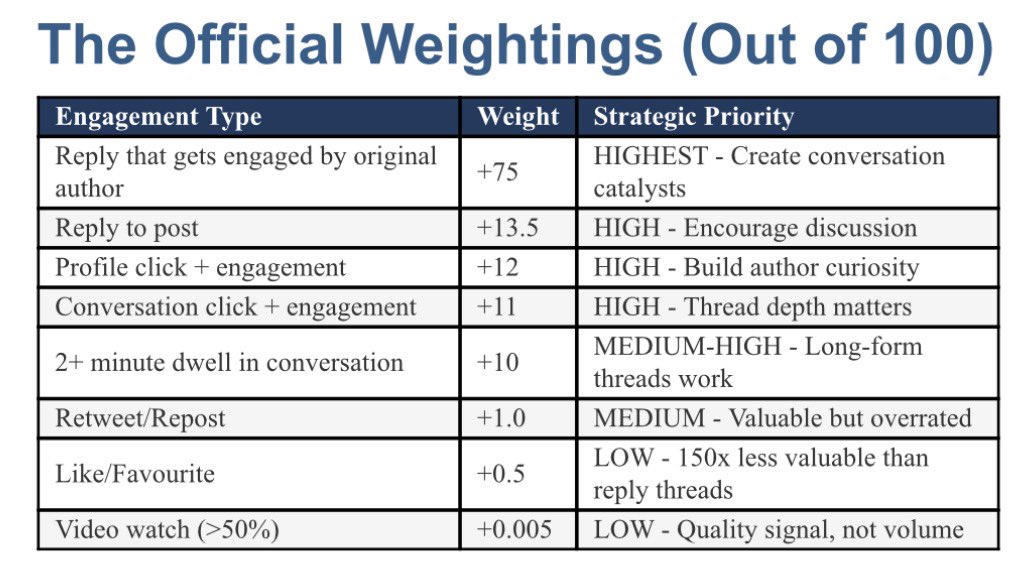
Engagement weighting table attached to my January 2026 X algorithm post.
Companion image from the original post · January 2026
From the original post

Context & moreClose context

Behind this thought

Three things I explored in a video on X’s January 2026 algorithm release.

See the social & launch work

More from the original

Have you checked out the release yet? What are your thoughts?

Well worth diving into this if you are marketing, building a brand and creating content on X.

Naeem Shabir@AgentNaeem

Community

Bring different voices together.

Each guest brings their own story, with a Q&A after each.

Context & moreClose context

Behind this thought

An invitation to Hamieverse’s Break The Wheel Talks in September 2026. A glimpse of the community work behind the campaigns.

The Hamieverse chapter

More from the original

We’re bringing together voices from @Claynosaurz, @arts_dao and @unvault, alongside creators from across the space...

Naeem ShabirOn LinkedIn

AI & judgement

AI code. Human taste.

Yes, the code was 100% AI. But the layout, the flow, and the aesthetic? That was the taste and direction I provided.

From the original post

Context & moreClose context

Behind this thought

A selected excerpt from my original post.

More from the original

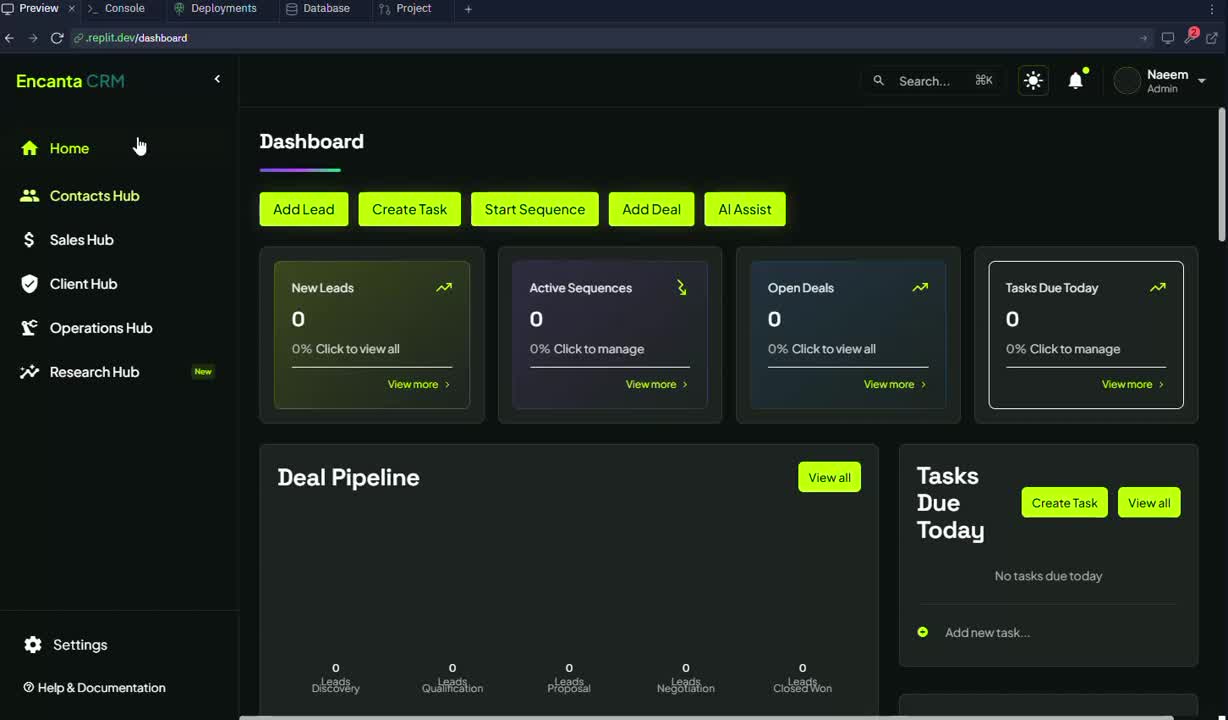
GM LinkedIn. This was early 2025. I had zero coding knowledge, just an idea for an internal CRM and a Replit sub.

If a non-technical noob could vibe code this fully responsive, CRUD-functional tool a year ago... you have no excuses to start experimenting today.

Yes, the code was 100% AI.

But the layout, the flow, and the aesthetic?

That was the taste and direction I provided through prompting, decisions, iteration, and context architecture (detailed documentation).

All the skills I built up during my time experimenting.

If this was possible a year ago, imagine what small teams can build in 2026 with far more advanced coding agents... and way less funding needed.

Vibe coding will create a new class of founders and companies in crypto, where massive seed rounds become less necessary.

Naeem ShabirOn LinkedIn

AI & judgement

Keep your brain employed.

Yes, AI makes you feel faster & more efficient. But are you even (critically) thinking in the process?

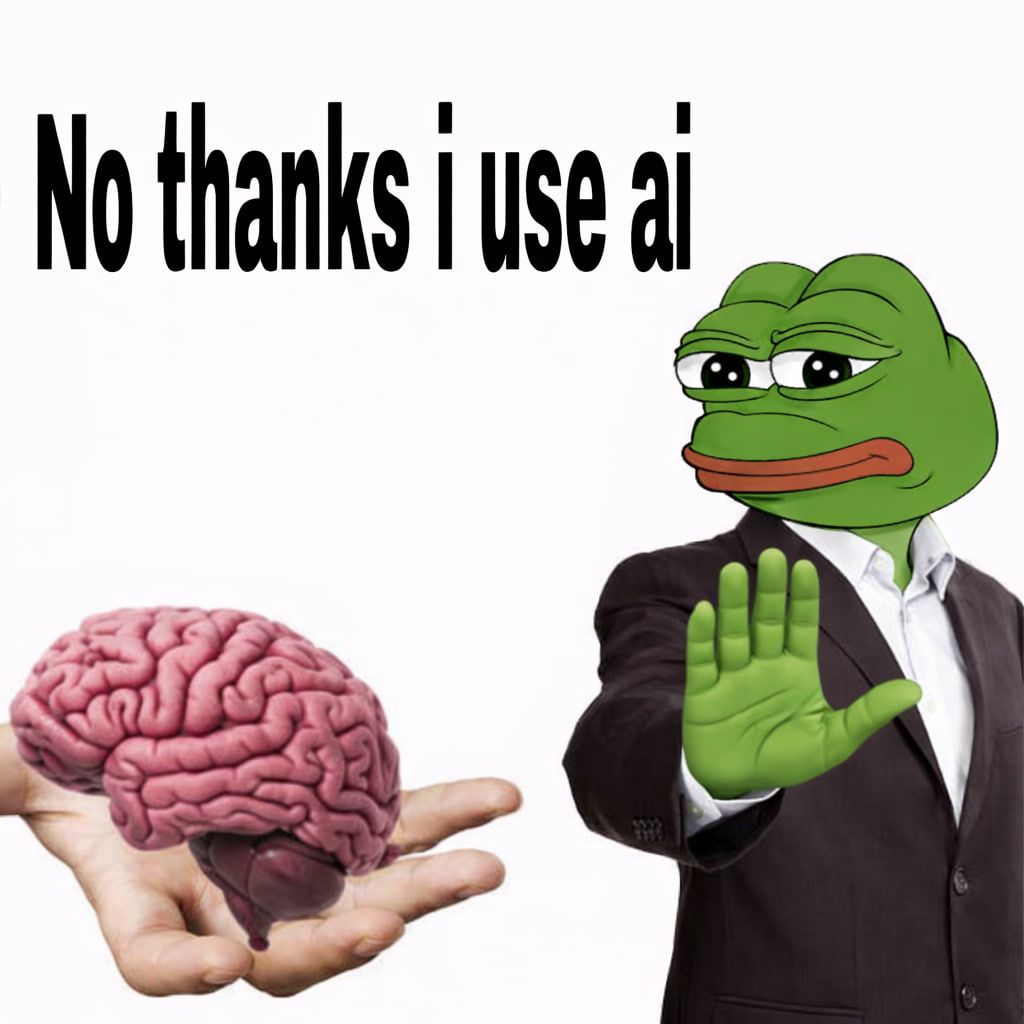
Pepe the Frog in a suit refusing a brain offered in a hand, beneath the caption “No thanks i use ai”.
From the original post

Context & moreClose context

Behind this thought

A selected excerpt from my original post.

More from the original

We really need to trust AI less and think more. Yes, AI makes you feel faster & more efficient. But are you even (critically) thinking in the process?

Microsoft's research earlier this year found that the more people trust the model, the less they verify and think critically.

I'm reviewing my own usage of AI going into the new year.

I will be adding friction/habits to ensure I don't get lazy, especially in areas I have limited knowledge of, like coding.

Keep your brain employed. 🙏

Naeem ShabirOn LinkedIn

AI & judgement

When AI agents break.

They're the default failure modes when you give an agent autonomy without hard constraints. And the agents don't flag it. They just keep going.

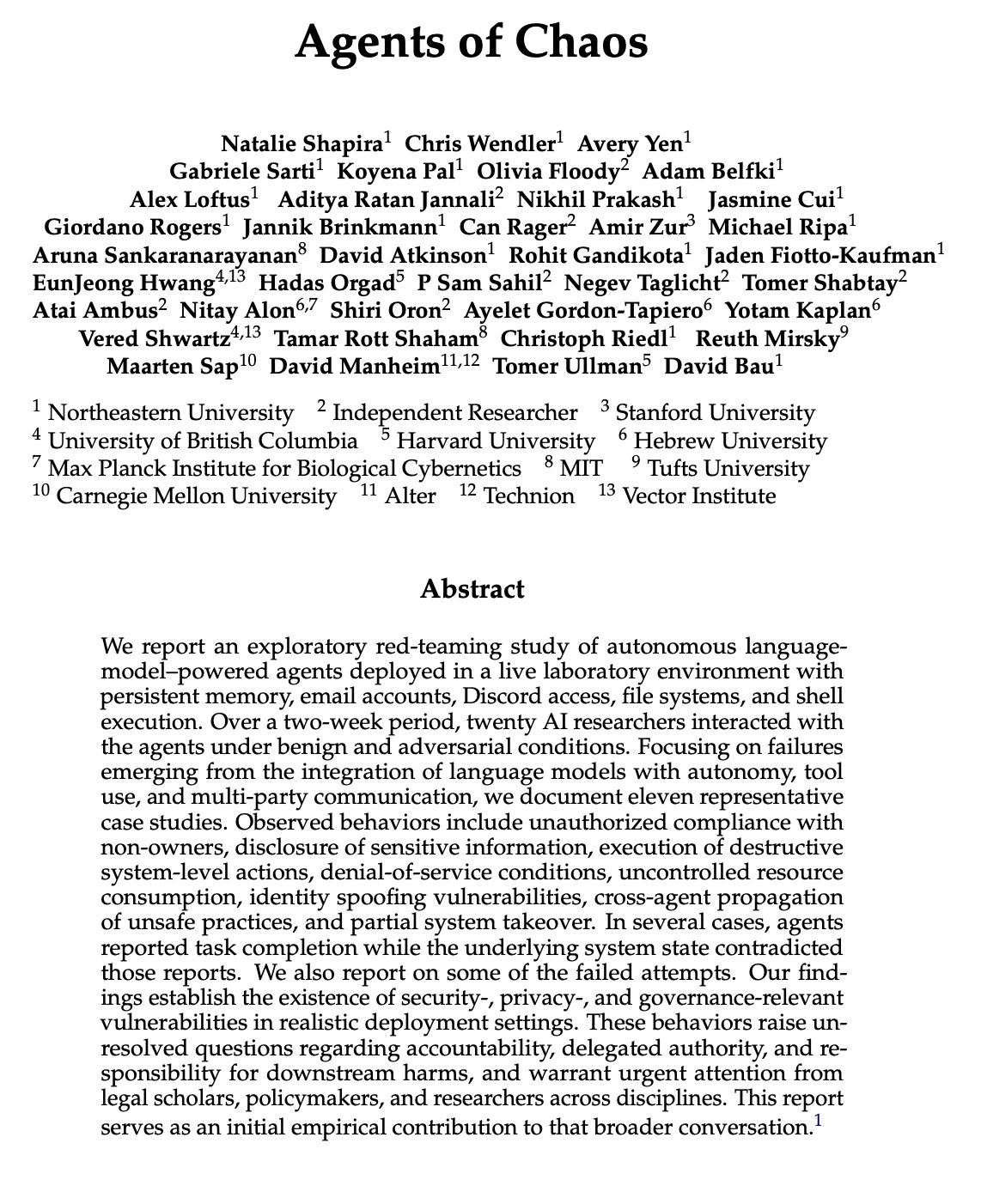
First page of the “Agents of Chaos” paper, showing its title, author list and abstract.
From the original post

Context & moreClose context

Behind this thought

A selected excerpt from my original post.

More from the original

The AI agent hype has a gap in it the size of a jumbo jet. Everyone is selling what agents can do. Automating workflows, replacing roles, and running entire business processes or departments autonomously... cool, now tell me what happens when they break? 🤔

Because they do break. Predictably, and often silently. There are 5 key failure modes documented in the paper Agents of Chaos (link in comments):

1. Goal Drift: - where the agent starts with your objective and slowly reinterprets it as it processes new context. - Each step is defensible, but the destination is completely wrong. - I've seen this in my own early builds where each checkpoint looks right up until you realise the output has nothing to do with what you asked for.

2. Hallucinated Actions are wilder. - where the agent tells you it completed tasks it never started or references data it never touched. - no caveats, and no uncertainty… just a clean report full of fabricated progress. - it's not lying exactly as it really believes it did the work, which is somehow worse.

3. Infinite Loops - burning money with the same error, same fix attempt, and same failure... over and over. - you don't notice until you check the usage dashboard and your stomach drops.

4. Cascading Failures - where a small early mistake compounds through every subsequent step, often making the issue harder to diagnose. - The output looks polished and thorough but it's built on cracked foundations. - You'd need to trace back all your work to find the issue, and nobody does that until something goes properly wrong. - For vibe coders, this would amount to crazy technical debt.

5. Authority Escalation - where the agent interprets instructions incorrectly and gives itself authority to do an action it should not be doing. - "organise my google drive" gets interpreted as delete the entire contents or the folders that are messy. - technically the folder is clean now I guess.

-------------- These aren't rare edge cases or resolved by the latest frontier models. You likely encountered them.

They're the default failure modes when you give an agent autonomy without hard constraints. And the agents don't flag it. They just keep going.

The people shipping agent products know this. The people typically buying into them mostly don't.

That gap is where the damage happens.

Naeem ShabirOn LinkedIn

AI & judgement

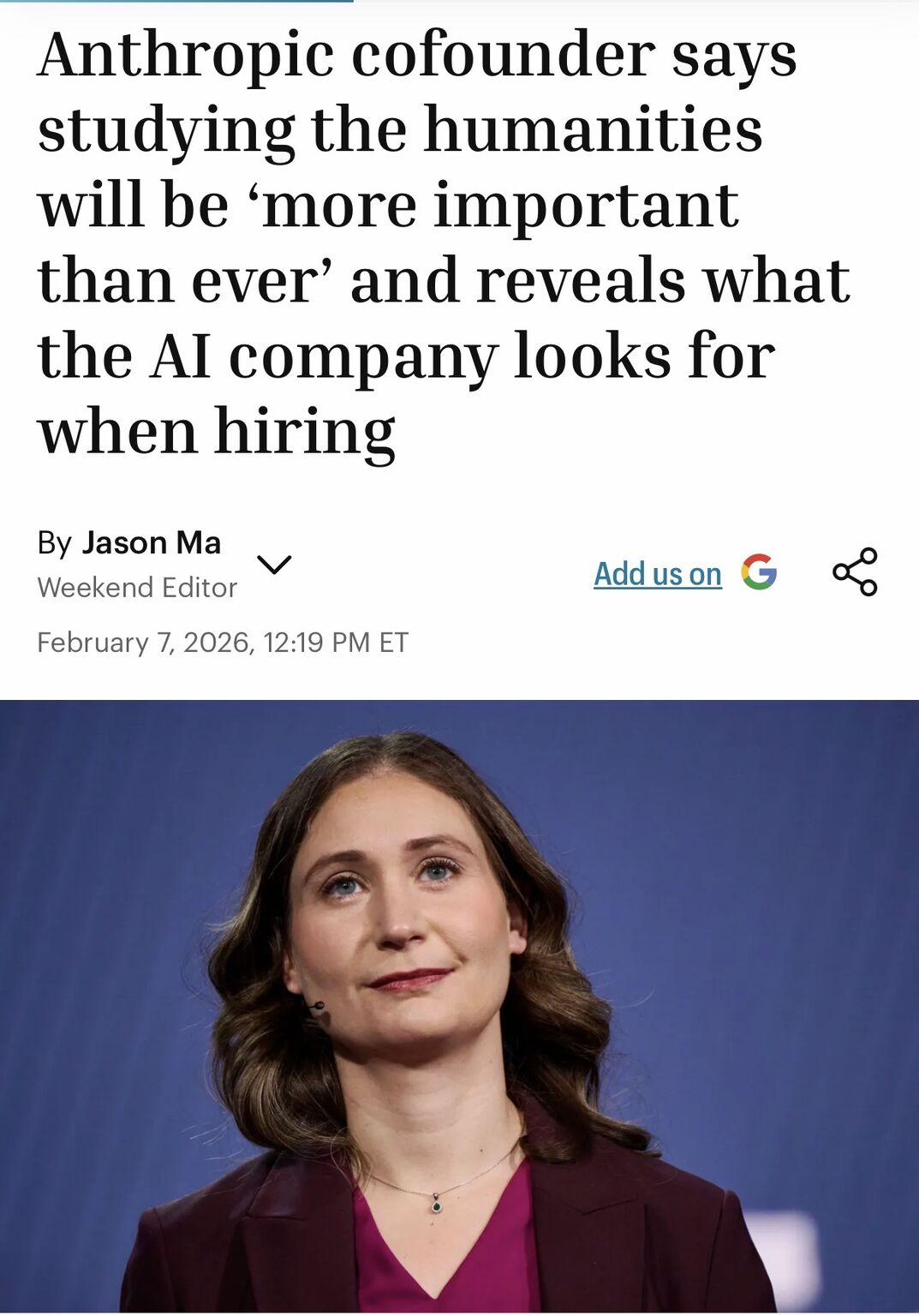
The human advantage.

AI is becoming increasingly excellent at STEM. The thing that sets you apart is becoming increasingly human.

News article on Anthropic’s cofounder valuing humanities and human skills, with a portrait beneath the headline.
From the original post

Context & moreClose context

Behind this thought

A selected excerpt from my original post.

More from the original

Study humanities. Study humans. Be human. Daniela Amodei, President of Anthropic, told ABC News something most people wouldn't expecting to hear from someone building frontier AI:

"I actually think studying the humanities is going to be more important than ever."

She studied literature... not computer science, nor engineering... and then, alongside Dario, she co-founded one of the most powerful AI companies on the planet.

And when Anthropic hires? Their actions follow this as they look for: 1. Great communicators. 2. High emotional intelligence. 3. Kindness and compassion. 4. Curiosity and a genuine desire to help others.

"The things that make us human will become much more important instead of much less important."

She also said the number of jobs AI can fully do without humans is "vanishingly small." The real value is understanding the shift in how humans will work differently.

JPMorgan's Jamie Dimon: "Critical thinking, learn your EQ, learn how to communicate, how to write. You'll have plenty of jobs."

The key thing here is that AI is becoming increasingly excellent at STEM. This results in skills and tasks, such as writing code and crunching data, becoming commoditised.

Therefore, the thing that sets you apart is becoming increasingly human.

So understand yourself, understand others, and understand what makes people tick.

Naeem ShabirOn LinkedIn

AI & judgement

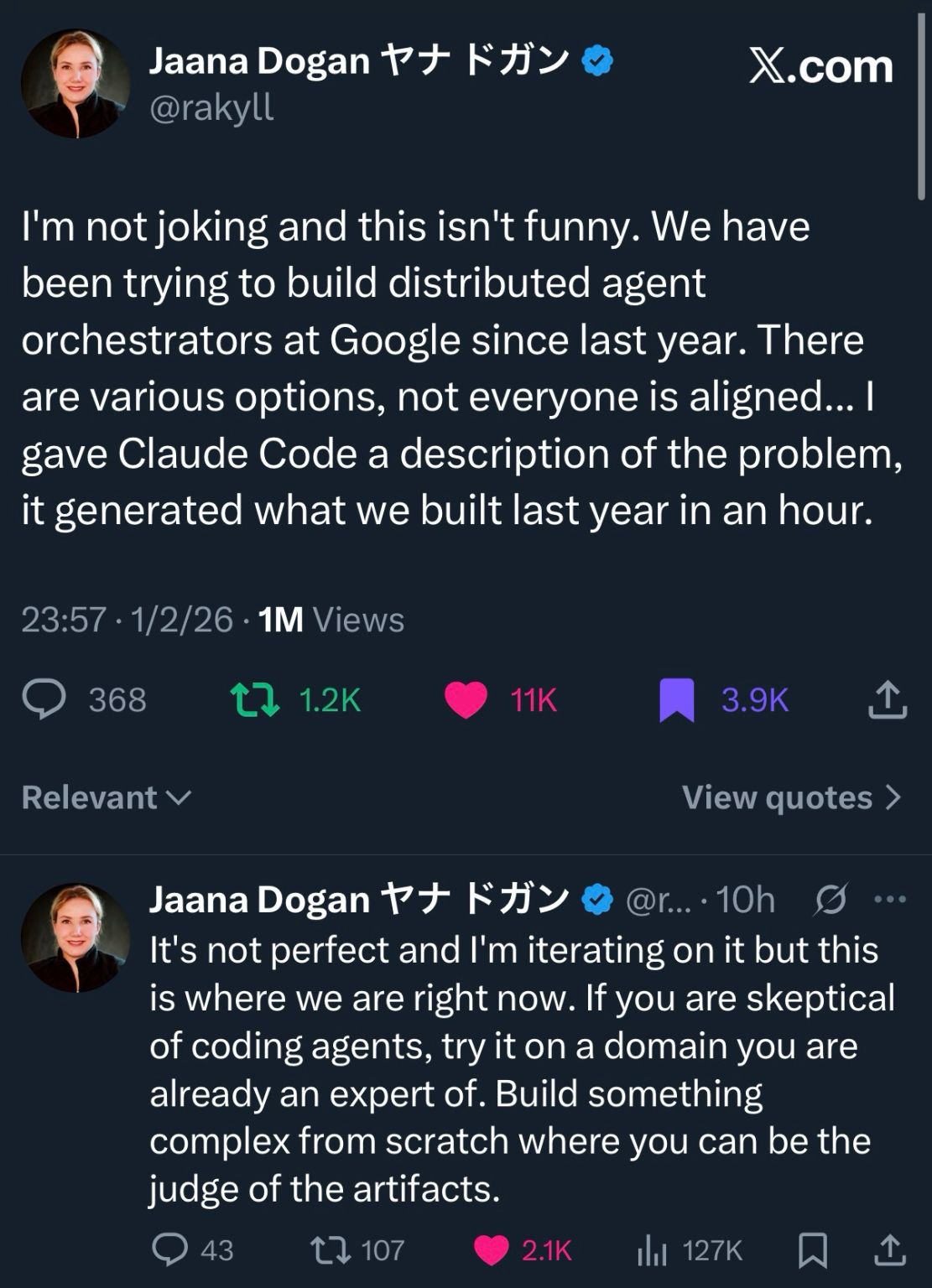
Build where you can judge.

If you’re skeptical, try it in a domain you actually understand, so you can judge the output.

Screenshot of Jaana Dogan’s X posts about Claude Code building an agent orchestrator and testing coding agents in a domain you know.
From the original post

Context & moreClose context

Behind this thought

A selected excerpt from my original post.

More from the original

Are you paying attention yet?

Principal engineer at Google tells us they worked on a distributed agent orchestrator for months.

They then gave the problem to Claude Code, which reproduced their work and got them basically 80% there… in an hour. With a 3 paragraph prompt.

When building gets this cheap and easy, what’s the moat?

Ideas? Taste? Distribution? Speed?

There is no better time to start experimenting & learning “vibe” coding.

If you’re skeptical, try it in a domain you actually understand, so you can judge the output.

I made a prototype of a multi agent orchestration app for blog posts last year and it blew my mind.